Community Donations for COVID 19 Healthcare Relief
Community-driven donations turned out to be one of the most effective parts of the COVID-19 response in the United States. Local fundraisers, neighborhood drives, and small nonprofit partnerships moved supplies and money to hospitals quickly, often faster than larger institutional channels. The pattern showed how everyday people can fill gaps that big systems struggle to reach during a public health emergency.
How Communities Organized
The most successful local efforts had a few things in common. They picked a specific hospital or hospice to support, kept the donation process simple, and shared updates so donors knew where their money landed.
- Workplace fundraisers with employer matching components
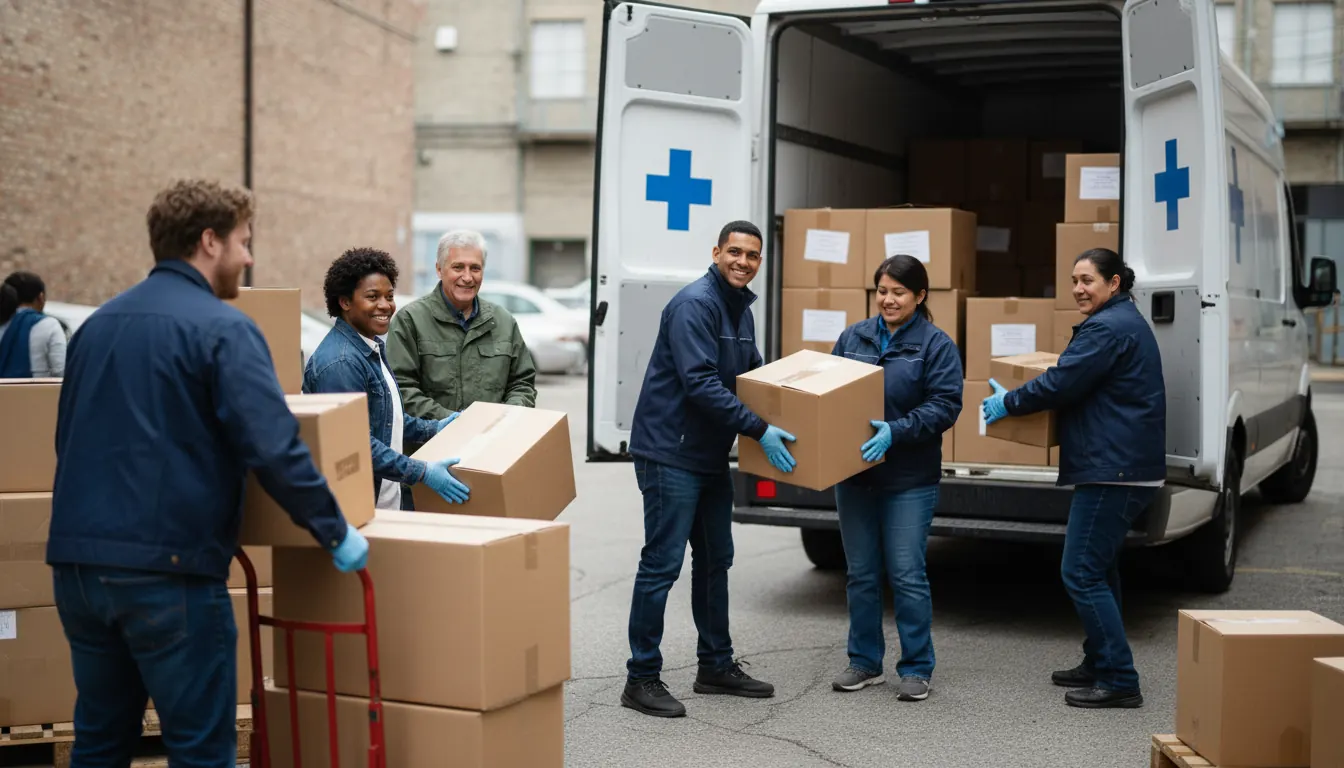
- Neighborhood drives collecting supplies for local hospitals
- Faith community partnerships with regional medical centers
- Virtual events hosting trivia nights and watch parties
- Small business pledge drives tied to specific weekend campaigns
Comparing Donation Channels
Different channels reached different audiences and produced different kinds of impact. The table below compares three common formats from the 2020 response.
| Channel | Typical Donor | Common Outcome |
|---|---|---|
| Workplace giving | Employees with matches | Steady large totals |
| Neighborhood drive | Local residents | Physical supplies |
| Faith community | Congregation members | Sustained monthly gifts |
| Virtual event | Online participants | One-time cash injections |
"The most useful preparation for the next crisis is building relationships before they are needed."
What Made It Work
Community donations succeeded because they kept the giving personal. Donors could name the people their gifts helped, and recipient organizations could respond quickly without navigating layers of approval. That combination of local trust and operational simplicity remains the clearest takeaway from the 2020 community giving response.