Protect the Heroes Campaign and Community Support Initiatives
Spring 2020 was rough on U.S. hospitals. Masks ran out. Nurses worked back-to-back shifts. And across the country, people kept asking the same thing — what can I actually do from here? A national effort grew out of that question, pointing donors straight to the medical centers in their own neighborhoods. Here's a look back at how it came together, who built it, and what kind of support showed up alongside it.
Origins and Mission of the Protect the Heroes Campaign
The whole thing was a reaction to the mess of spring 2020. The goal wasn't complicated — make giving feel like something real again, even when the crisis felt too big to grasp.
How the Initiative Was Founded in Response to COVID-19
The Protect the Heroes campaign got off the ground in spring 2020. Back then, you couldn't turn on the news without hearing about PPE shortages, and hospital procurement teams were running on fumes. The pitch behind protecttheheroes.org was plain enough: give people a clean, trusted route to send money to a specific hospital or hospice nearby. The thinking was that local focus would make donations feel meaningful, even small ones.
Key Partner Organizations Behind the Movement
Three groups pulled the campaign together, and each one filled a different gap. The Association for Healthcare Philanthropy brought the network of hospital foundations and the back-end systems to actually move the money. The American Hospital Association brought credibility and reach into thousands of member hospitals. The Creative Coalition took on the storytelling, the celebrity outreach, and the media side of things. For something thrown together under emergency conditions, that's a surprisingly solid foundation.
The Core Message of Supporting Frontline Workers
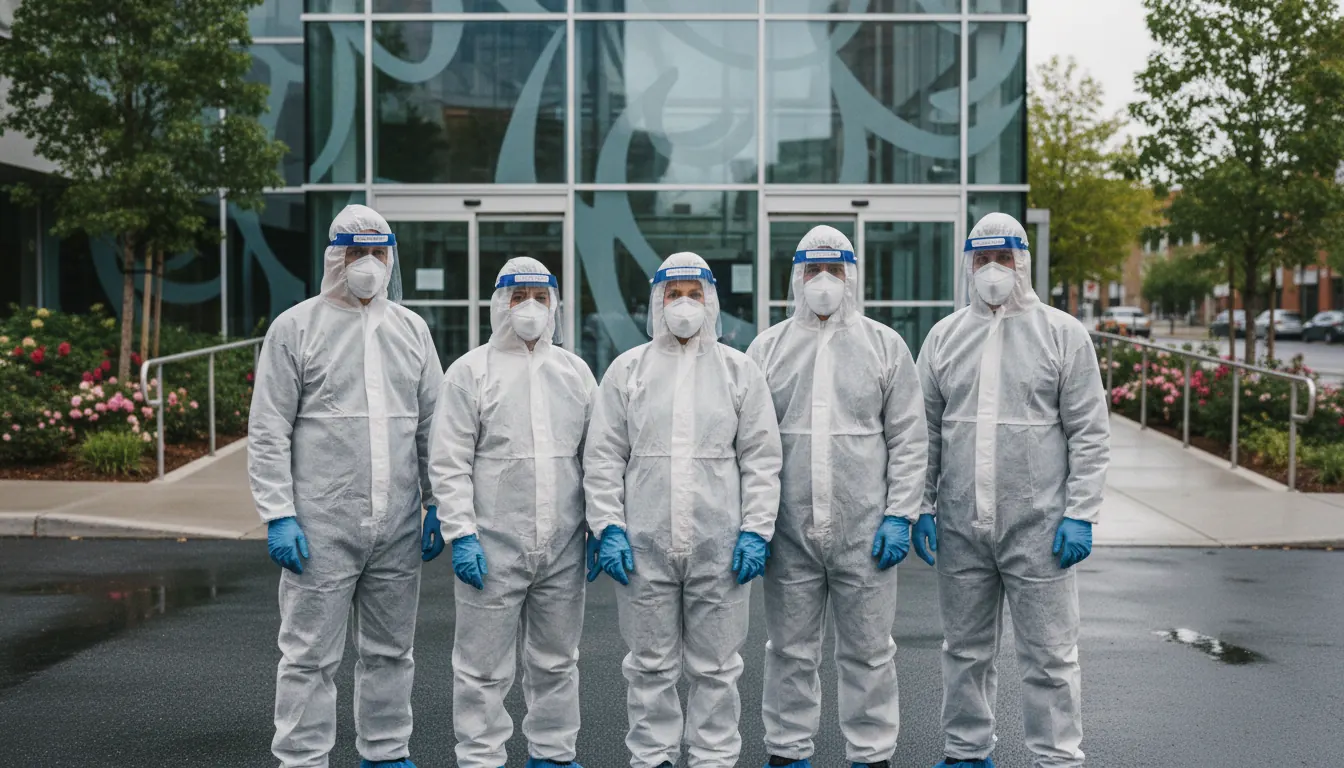
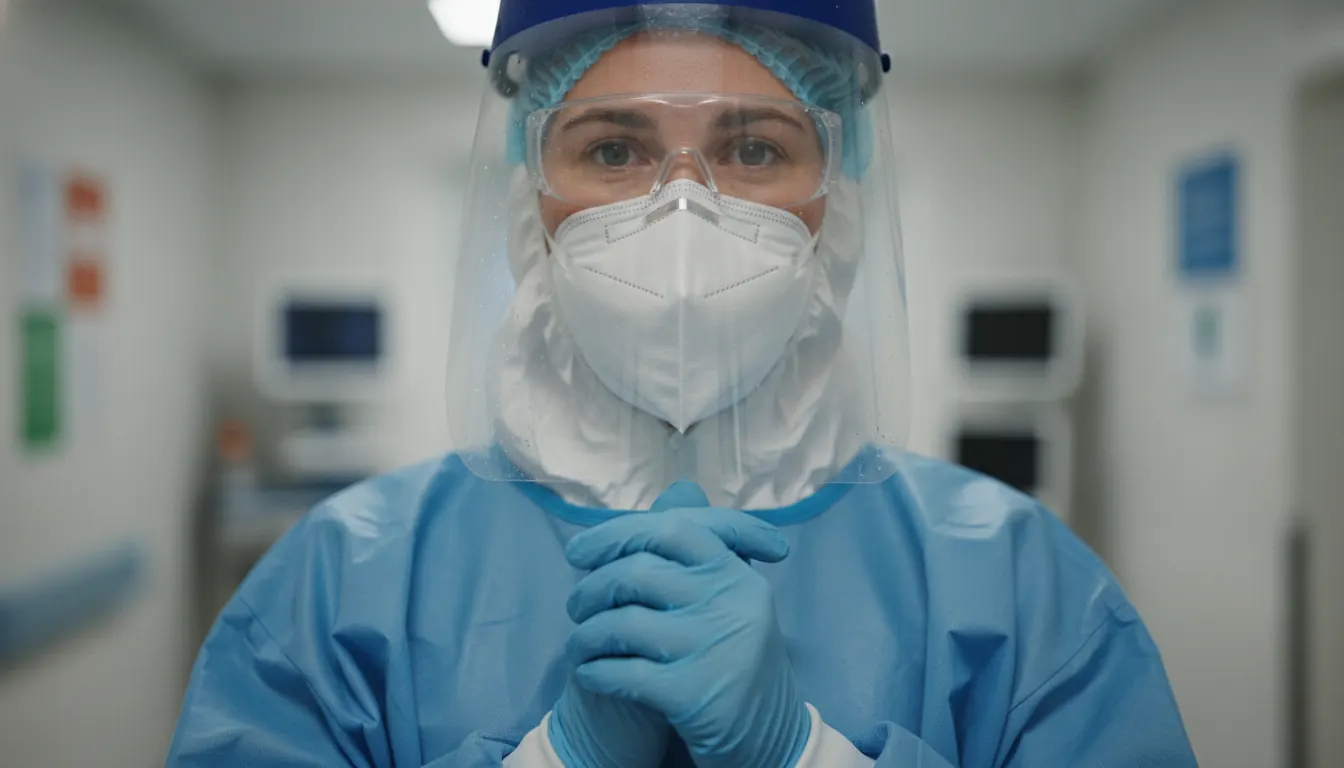
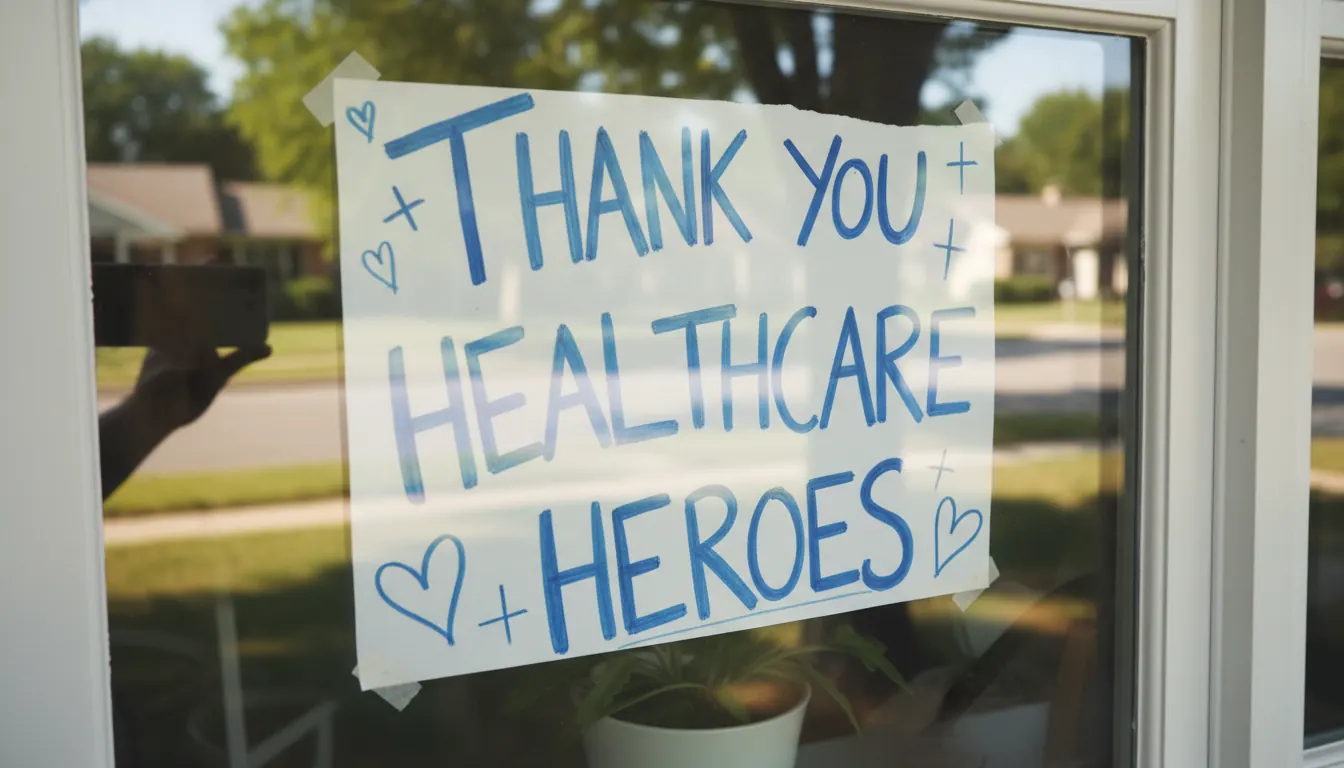
At its heart, the Protect The Heroes Fund leaned on one simple idea. Nurses, doctors, respiratory therapists, cleaners, hospice staff — they were putting themselves at risk for strangers, and they deserved their communities behind them. The campaign stayed away from politics and stuck with gratitude. A lot of the promotional images just showed masked clinicians next to handwritten thank-you notes from neighbors. That quiet tone became its trademark, and it traveled well in a country that didn't agree on much else.
"They were putting themselves at risk for strangers, and they deserved their communities behind them."
Resources Provided to Hospitals and Hospices
Donations went toward a wide mix of needs, from basic gear to staff wellness programs. Each hospital foundation made its own call on where the money should go, based on what its people were short on.
Categories of Aid Delivered Through the Protect the Heroes Fund
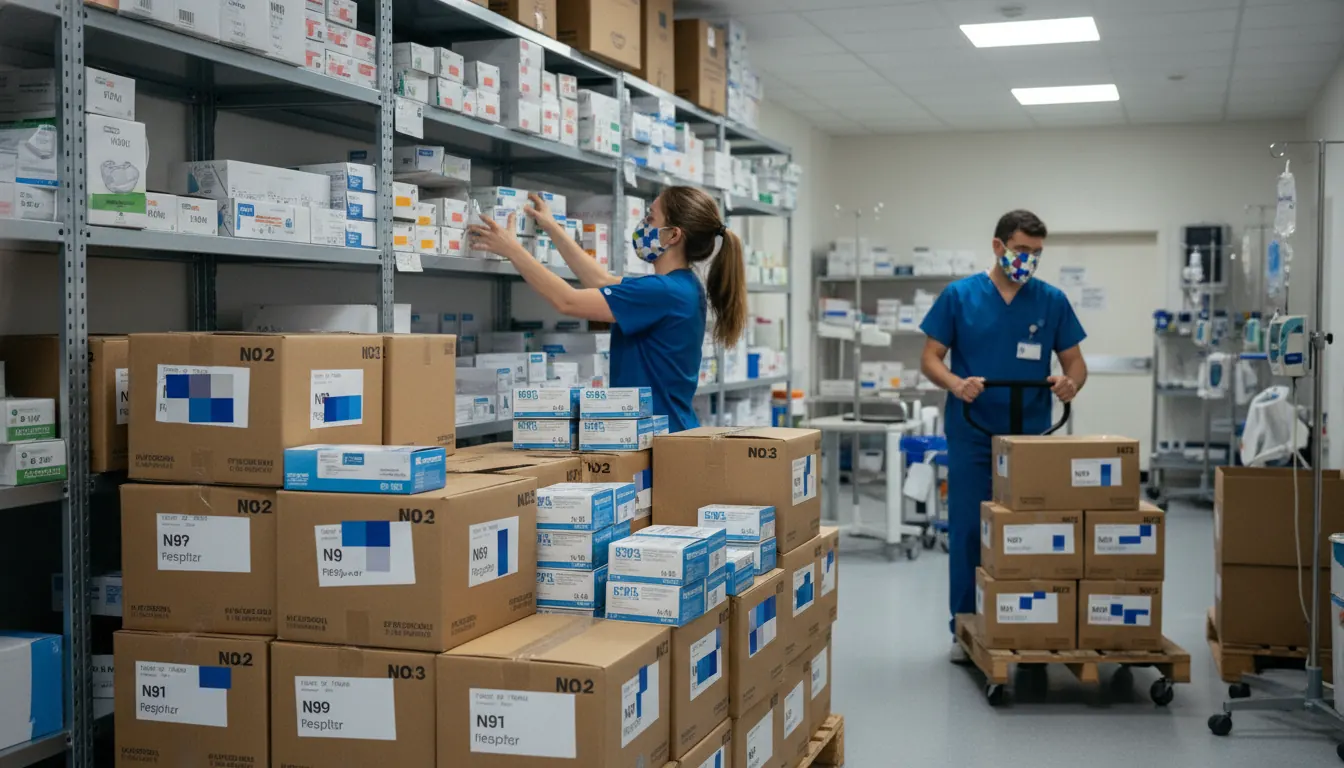
Funds flowed into several distinct categories. The table below breaks down the main areas of support and how they usually reached the people who needed them.
| Resource Type | Recipient Institution Type | Funding Source | Distribution Method |
|---|---|---|---|
| N95 respirators and surgical masks | Acute-care hospitals | Individual online donations | Direct purchase by hospital foundation |
| Meals and lodging for staff | Urban and rural hospitals | Corporate matching gifts | Partnership with local restaurants and hotels |
| Mental health and counseling services | Hospice and palliative care centers | Recurring monthly donors | Contracted third-party providers |
| Childcare stipends for medical staff | Hospitals with overnight ICU shifts | Workplace giving programs | Reimbursement through HR departments |
| Hospice family support packages | Standalone hospice organizations | One-time community fundraisers | Direct delivery to families |
Regional Reach and Local Hospital Partnerships
The search tool was one of the smarter touches. Type in a ZIP code, and you'd see participating hospitals close to home. It fixed something that nags at a lot of donors during national appeals — the nagging doubt about whether your gift ever lands anywhere you'd recognize. Rural hospitals probably benefited most. They tend to run on thin budgets without much of a fundraising team, so showing up in the same directory as big-city centers gave them visibility they almost never get.
Direct Support for Medical Supplies and Equipment
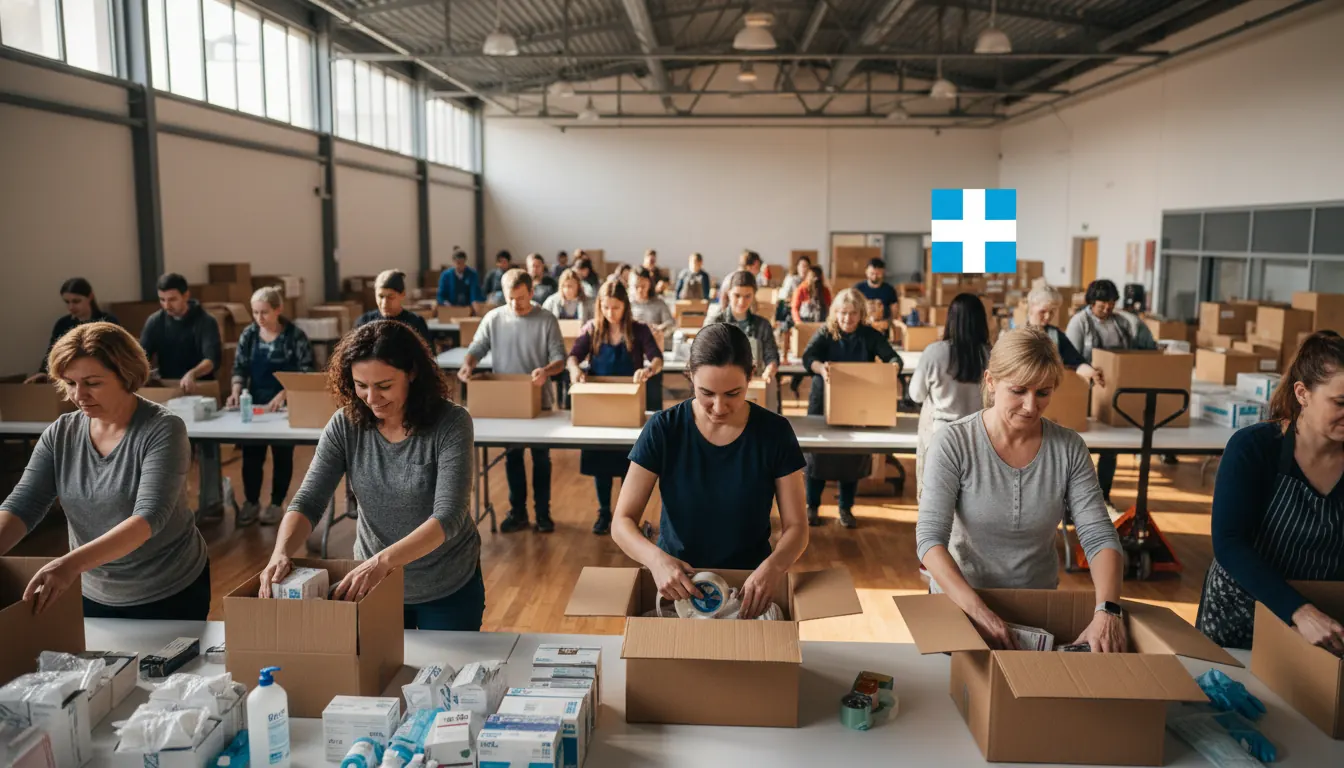
In those first few months, the gap was physical stuff. Hospitals were reusing masks that were meant for one shift and rationing face shields between rooms. Money from the campaign went toward respirators, gowns, gloves, and in some places ventilator parts. Once the supply chains caught up later in the year, attention turned to taking care of the staff — hot meals on overnight shifts, quiet rooms where someone could sit down for ten minutes between a rough case and the next one.
Public Engagement and Awareness Building
A lot of the campaign's energy came from regular people passing it along. The trick was giving them easy ways to do that without much effort.
Social Media Toolkits and Shareable Campaign Assets
The Creative Coalition put together a downloadable toolkit packed with ready-made graphics, sample captions, and short video clips. You could pull something off it and have it posted in under a minute. That mattered, because plenty of people wanted to help but didn't have spare cash. The kit included assets sized for different platforms too, which sounds minor but isn't — most volunteers aren't going to sit there cropping images for Instagram versus Twitter.
Ways Individuals Contributed to the Protect the Heroes Campaign
Support showed up in all sorts of forms, and the campaign was happy with whatever level people could manage. Some of the most common moves:
- Sending a one-time donation to a chosen local hospital or hospice through the search tool.
- Setting up monthly contributions to fund longer-term staff support programs.
- Sharing the campaign's social media assets with a personal note of thanks attached.
- Running small workplace or neighborhood fundraisers and routing the money through the platform.
- Mailing handwritten cards to local hospitals using templates from the campaign.
- Asking employers to match employee donations through corporate giving programs.
- Hosting virtual trivia nights or watch parties, with admission fees going to the fund.
Celebrity and Public Figure Involvement
The Creative Coalition's industry contacts brought a steady trickle of familiar faces into the campaign. The Major League Baseball Players Trust officially signed on in late April 2020. Actors, musicians, and athletes filmed short clips thanking healthcare workers and pointing viewers to the donation page. Most of those clips stayed pretty plain, not glossy — which matched the mood and kept things from feeling like a publicity grab.
Gambling During COVID-19 and Industry Solidarity with Healthcare
The pandemic shook up how people gambled too, and some corners of that industry showed up in ways nobody really expected. This section looks at how online operators reacted when the brick-and-mortar venues went dark.

How the Online Casino Sector Responded to the Pandemic
Gambling habits flipped almost overnight. With land-based casinos shut down across most states and a lot of other countries, online casino platforms saw sign-ups and play volume jump sharply. Plenty of operators knew that surge was happening against a backdrop of real suffering. Some of them started directing a share of revenue, or proceeds from specific promotions, into healthcare relief. Trade publications tracked these moves through 2020, framing them as a mix of real philanthropy and a chance to show some responsibility while everyone was watching.
Ways Online Casino Operators Joined Healthcare Relief Efforts
Operators in the U.S., the U.K., and parts of Europe took different routes. Some of the documented examples from the period:
- Direct corporate donations from operator profits to hospital foundations and national medical charities.
- Pledged shares of tournament entry fees, especially in online poker, routed to relief funds.
- Free play credits for verified healthcare workers as a small thank-you during downtime.
- Charity poker streams and slot tournaments on Twitch and YouTube, with sponsors matching viewer donations.
- Industry-wide pledges run through trade associations that pooled contributions from competing brands.
- In-product banners pointing players toward campaigns like Protect the Heroes and similar efforts.
None of this was huge next to the scale of pandemic giving overall. But it showed a sector reacting to what was actually happening, instead of pretending business was running like normal.
Responsible Gaming Messaging During Lockdown Periods
The same stretch raised real worries about problem gambling. Lockdowns left a lot of people stuck at home, more screen time, fewer outlets. Regulators in several places tightened up advertising rules. Operators rolled out clearer self-exclusion tools and deposit limits. The two things — supporting healthcare workers and tightening safeguards — went together rather than against each other. A company could back hospitals and still admit its product needed extra guardrails during a uniquely stressful year.
Measuring the Long-Term Impact of the Campaign
There's no single number that captures the campaign's effect. Each hospital foundation reported its own results, so the broader picture has to be assembled from a lot of smaller ones.

Outcomes by Region and Healthcare Sector
Tracking exact figures across something this decentralized is tricky. Foundations handled their own receipts. Broader patterns still came through in public statements and retrospectives later on. The table below gives a rough regional summary based on the kinds of figures discussed in industry reporting at the time.
| Region | Hospitals Reached | Funds Allocated | Primary Resource Type |
|---|---|---|---|
| Northeast United States | Approximately 400 institutions | Largest share of total contributions | Protective equipment and staff meals |
| Southern United States | Around 350 institutions | Significant rural hospital share | Equipment and childcare stipends |
| Midwest | Roughly 300 institutions | Strong workplace giving participation | Mental health services |
| West Coast | About 250 institutions | High individual donor counts | Staff wellness programs |
| Rural and underserved areas | Several hundred small facilities | Disproportionate per-capita impact | Basic supplies and family support |
Lessons Learned for Future Crisis Response
Looking back, the local focus is what stands out. Donors kept saying they felt more motivated when they could name the hospital they were giving to. Future campaigns — for natural disasters, public health shocks, whatever comes next — can borrow that. The tech behind it was simple. The partnerships behind it were not. They took years to build, and that's worth remembering when the next crisis lands: response depends on infrastructure that gets set up long before anyone needs it.
Continuing Legacy Beyond the Pandemic
A handful of hospital foundations kept their pandemic-era ties with the original partners. They still team up on smaller awareness drives now and then. The branding's faded from public view, but the underlying network of contacts didn't go anywhere. Philanthropy professionals, hospital administrators, and creative producers stayed in touch. That quiet continuity might end up mattering more than any headline figure from 2020, because the same coalition can move quickly if it has to again.
Frequently Asked Questions
What was the Protect the Heroes Campaign?
It was a 2020 fundraising and awareness effort that helped donors send money to local hospitals and hospices during COVID-19. Three groups ran it together — the Association for Healthcare Philanthropy, the American Hospital Association, and The Creative Coalition. Donations went to specific medical centers picked by the donor, not into one big national pool.
Who could receive donations through the campaign?
Acute-care hospitals, community hospitals, rural facilities, hospice organizations, and palliative care providers could all take part through their affiliated foundations. The site's search tool let donors put in a location and see participating institutions in their area. That kept the giving tied to a real place close to home.
How were funds typically used by hospitals?
Foundations spent the money on protective equipment, meals and lodging for staff working long shifts, mental health support for clinicians, childcare help, and family support in hospice settings. Each one set its own priorities based on what its workforce needed most at that point in the pandemic.
Did gambling companies actually contribute to healthcare relief?
Yes. A handful of online casino operators, poker platforms, and trade groups put real money into the effort during the pandemic. Support ranged from straight corporate donations to charity tournaments and streaming fundraisers. The amounts varied a lot between companies. These were one slice of a much wider picture of corporate giving during the crisis.
Is the Protect the Heroes website still active?
The original campaign wound down once the most urgent phase eased. The public site doesn't run active appeals anymore. Most of the partner organizations are still doing broader philanthropic work though. Some hospital foundations still reference the initiative when they talk about how they responded in 2020 and the donor relationships that came out of it.
How can communities prepare for future health emergencies?
The most useful prep is building relationships before you need them. Local hospital foundations, civic groups, faith communities, and businesses can set up communication channels and giving infrastructure during calm stretches. That way, a coordinated response is actually possible when something hits. The Protect the Heroes model is a clear example of how existing partnerships make fast action realistic.
Conclusion
The Protect the Heroes Campaign caught a specific moment. People all over the country wanted to do something tangible for the medical workers they were clapping for from their windows and front steps. Its real strength was structural, not just emotional — it linked a national platform to local choice through a simple search tool, run by three partners whose skills happened to fit together well. The wider story of pandemic philanthropy, including help from corners as unexpected as the online gambling industry, shows how broadly a society can pull together when it has to. The relationships built back then still matter, and the lessons are still useful for anyone thinking about how communities organize themselves when the next hard moment shows up.