
How to Show Support for Healthcare Workers in Everyday Life
Remember the applause from windows and balconies? It faded years ago. The people it celebrated still clock in. Nurses, porters, technicians, and cleaners keep hospitals running through quiet weekdays and long nights. Support for healthcare workers does not wait for a crisis, and it rarely needs grand gestures. Mostly it comes down to paying attention, showing up again, and noticing the people who spend their days noticing everyone else. Here is how that can fit into an ordinary week.
Why Support for Hospital Workers Still Matters
The headlines moved on. The pressure inside hospitals did not. Many teams still face staff shortages, emotional fatigue, and shifts that stretch past midnight. Recognition tends to spike during emergencies, then vanish, which can leave workers feeling forgotten once the cameras leave. People everywhere look for small ways to feel appreciated and connected. It is the same pull that draws some to community groups, hobby forums, or an evening online with baxterbet casino after a draining week. Quiet, steady thanks usually lands harder than one dramatic show of gratitude.
Why does consistency matter so much? Look at how recognition actually reaches a frontline team.
"What stays with staff is not the big event. It is the sense that someone remembered them on an ordinary Tuesday."
So learning how to show support for healthcare workers depends less on budget and more on rhythm. A gesture you repeat quietly outlasts a single spectacle. It also signals that your appreciation is real, not seasonal.
Small Gestures That Reach Frontline Staff
Thanks does not have to cost money or take planning. Some of the most welcome gestures are the simplest, and they slip easily into a normal day. Keep the barrier low, and support becomes a habit instead of a special occasion.
A few approaches tend to land well with hospital teams:
- Write a short, specific thank-you note to a department rather than a generic card
- Drop off coffee, fruit, or snacks for a night shift that rarely sees visitors
- Leave an honest review that names the staff member who helped you
- Stay patient and kind at reception desks and during long waits
- Offer a lift, a meal, or childcare to a friend who works in care
- Follow visiting rules so wards stay calm and manageable
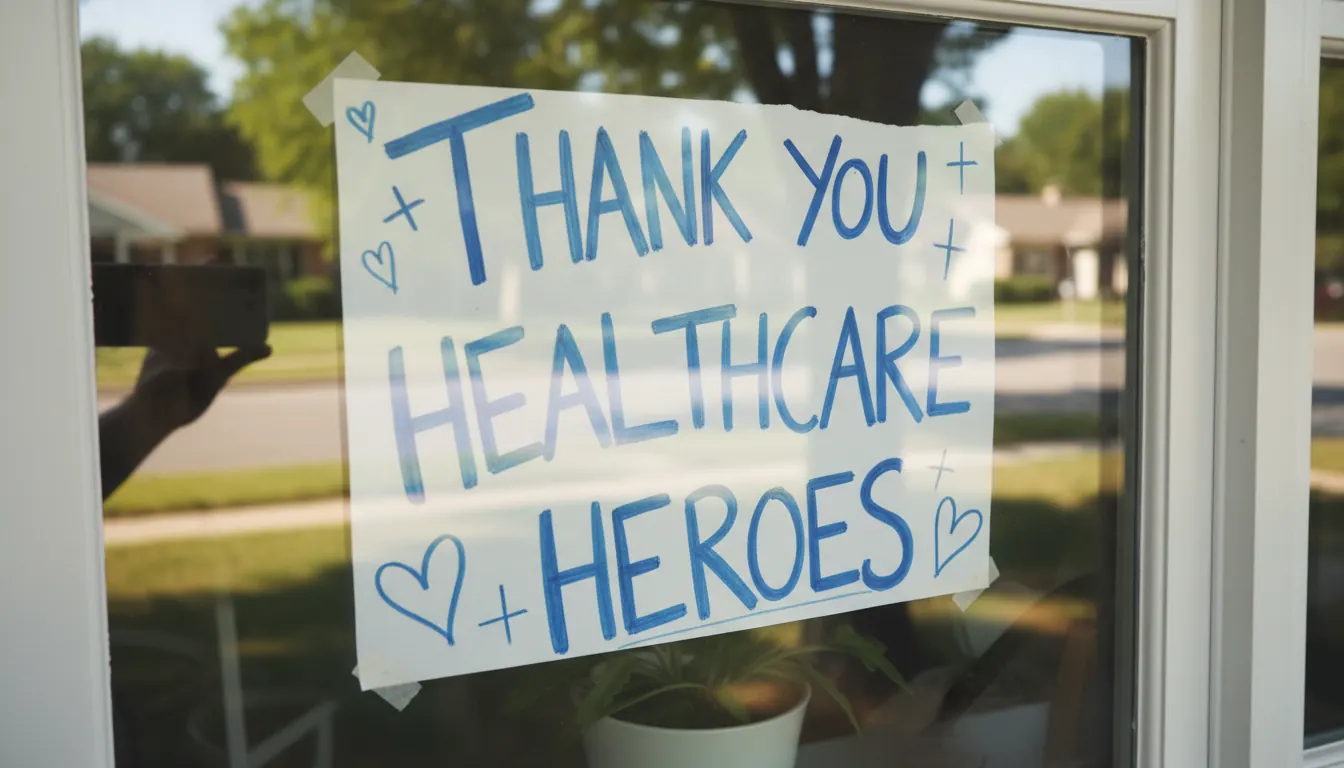
None of this costs much. Yet each gesture pushes back against the slow drain on morale. Kindness shown in passing still registers, especially when you name a person or a team directly.
Backing the People Behind the Scenes
Hospitals run on far more than doctors and nurses. Cleaners, kitchen staff, lab technicians, and administrators keep the building safe and working. Real support for hospital workers includes these roles too, even though they almost never appear in tributes.
It helps to picture where everyday support can flow, and who it reaches.
| Type of Support | Who It Reaches | Typical Effort |
|---|---|---|
| Handwritten thanks | Whole department | Low |
| Snack or meal drop-off | Shift teams | Low |
| Wellbeing fund donation | Support staff | Medium |
| Volunteering time | Hospital charities | Medium |
| Fundraising event | Frontline programs | High |
Once you see the full range of people involved, it gets easier to send goodwill where it is genuinely felt rather than where it is most visible.
"Support that includes the porter and the cleaner, not only the surgeon, is the kind staff actually talk about afterward."
Spread appreciation across every role, and the message is clear: the whole team is seen, not just its most public faces.
This wider view also changes how you give. A donation aimed at a hospital wellbeing fund often reaches staff a glossy tribute never touches. The same goes for time. An hour spent sorting donations or staffing a charity stall frees nurses and aides to focus on patients. Ask a ward or a hospital charity what they actually need before you decide. The answer is usually more practical, and more modest, than people expect.
When Communities and Brands Give Together
Individual kindness matters. Pooled effort reaches further. Neighborhoods, workplaces, and businesses often combine resources to support healthcare workers in ways no single person could manage alone. The pandemic proved how fast a community can mobilize, and many of those habits quietly carried on.
Different contributors bring different strengths to collective giving:
| Contributor | What They Offer | Best Suited For |
|---|---|---|
| Local businesses | Goods, venues, discounts | Staff appreciation days |
| Online communities | Reach, fundraising | Charity drives |
| Schools and clubs | Volunteers, cards | Morale projects |
| Companies | Matching funds | Equipment and wellbeing |
When a community organizes around one cause, the effect compounds. A single donated meal turns into a month of dinners for a ward. A handful of volunteers becomes a steady rota of help.
Brands that join in tend to make the most difference when they follow the lead of the people doing the work. The strongest partnerships start with a question rather than a campaign, and they keep showing up after the launch photos are taken. A discount for night-shift staff, a matched donation, or a quiet annual gift can all carry weight when they are consistent. The aim is to add to what frontline teams already do, not to crowd it out.
Turning Goodwill Into Lasting Habits
Starting is easy. Keeping going is the hard part. Enthusiasm runs high during a crisis, then fades once life settles. Building support into a routine, however modest, is what turns a kind moment into a dependable presence. You do not need to do everything; you need to do one thing reliably.
A few simple commitments can keep that momentum going:
- Schedule a monthly reminder to send one note of thanks
- Choose a single hospital charity to back across the year
- Add a small recurring donation to your usual budget
- Mark staff appreciation weeks in your calendar
- Keep a few cards or treats ready for unplanned moments
- Invite a friend or colleague to join one giving habit
When gratitude becomes ordinary, it no longer depends on emergencies, and the people who care for us feel it all year round.
Showing support for healthcare workers rarely calls for a grand plan. It asks for attention paid often, kindness shown plainly, and giving that includes everyone who keeps a hospital running. Pick one habit, repeat it, and let it become part of your year. The smallest steady gesture, offered without waiting for a crisis, is the one frontline staff remember.